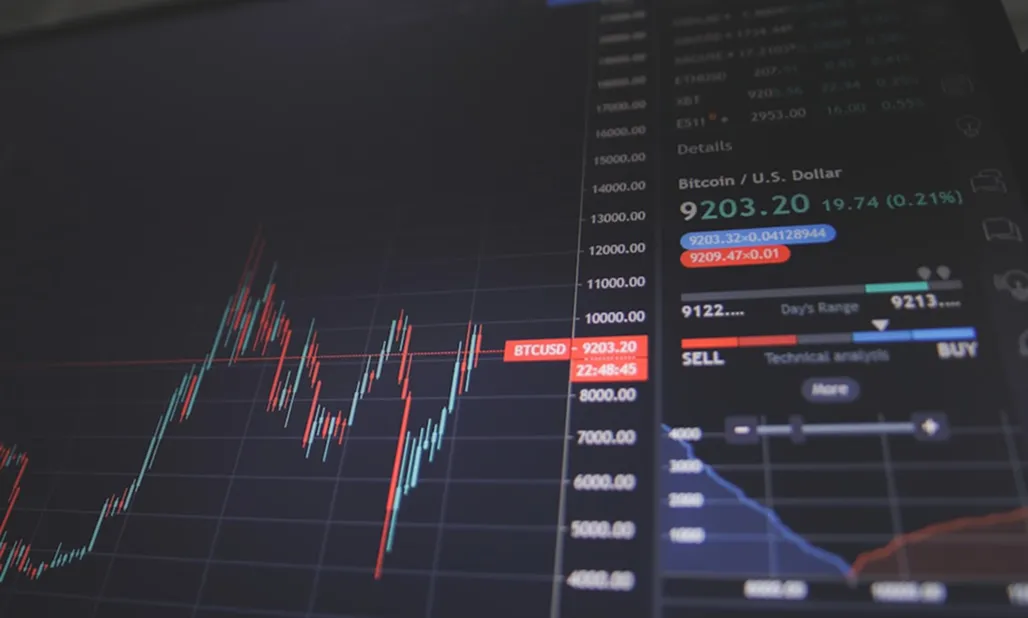
In today’s fast-changing global economy, market volatility has become a constant reality rather than an occasional event. Economic uncertainty, geopolitical tensions, and rapid shifts in consumer behavior all contribute to unpredictable market conditions that can challenge even experienced investors. Yet, with the right strategies and mindset, volatility can also present unique opportunities for growth.
Understanding Market Volatility
Market volatility refers to the degree of variation in the prices of financial instruments over time. High volatility means prices fluctuate rapidly, while low volatility indicates a more stable market environment. Although sudden drops in value can cause concern, volatility is not always negative—it reflects the natural rhythm of financial markets adjusting to global developments and investor sentiment.
1. Diversify Across Asset Classes
Diversification remains one of the most effective defenses against volatility. By spreading investments across various asset classes—such as equities, bonds, real estate, and commodities—investors can reduce their exposure to any single market’s downturn. A well-balanced portfolio ensures that when one sector underperforms, others can help offset the impact.
2. Focus on Long-Term Goals
Volatility can be unsettling in the short term, but long-term investors know that markets historically recover over time. Instead of reacting emotionally to market dips, maintain focus on your long-term objectives—whether it’s retirement planning, wealth accumulation, or legacy building. Consistent investing, even during turbulent times, often yields stronger results.
3. Reassess Your Risk Tolerance
Periods of uncertainty are an ideal time to revisit your investment strategy and ensure it aligns with your current risk appetite. Age, income, lifestyle, and financial goals all influence how much risk you can comfortably take. Adjusting your portfolio to balance risk and reward can strengthen your position when markets fluctuate.
4. Maintain Liquidity for Flexibility
Having adequate liquidity—or easily accessible cash—is vital during volatile periods. It allows investors to cover short-term needs without having to sell assets at unfavorable prices. Additionally, liquidity offers flexibility to take advantage of new investment opportunities that often arise when markets are unsettled.
5. Stay Informed, Not Reactive
While staying updated with market trends and economic reports is essential, reacting impulsively to daily headlines can harm long-term performance. Rely on credible financial analysis rather than emotions, and consider seeking guidance from a trusted financial advisor who can help you interpret market signals objectively.